When running a small business, it is important to know which form is used when – along with the compliance concerns to watch out for.
The most common forms you will use in business (and during tax time) are Forms W-4, W-2, W-9, and 1099-NEC.
Let's dig into each form type to provide a clear distinction, helping your business run most effectively.
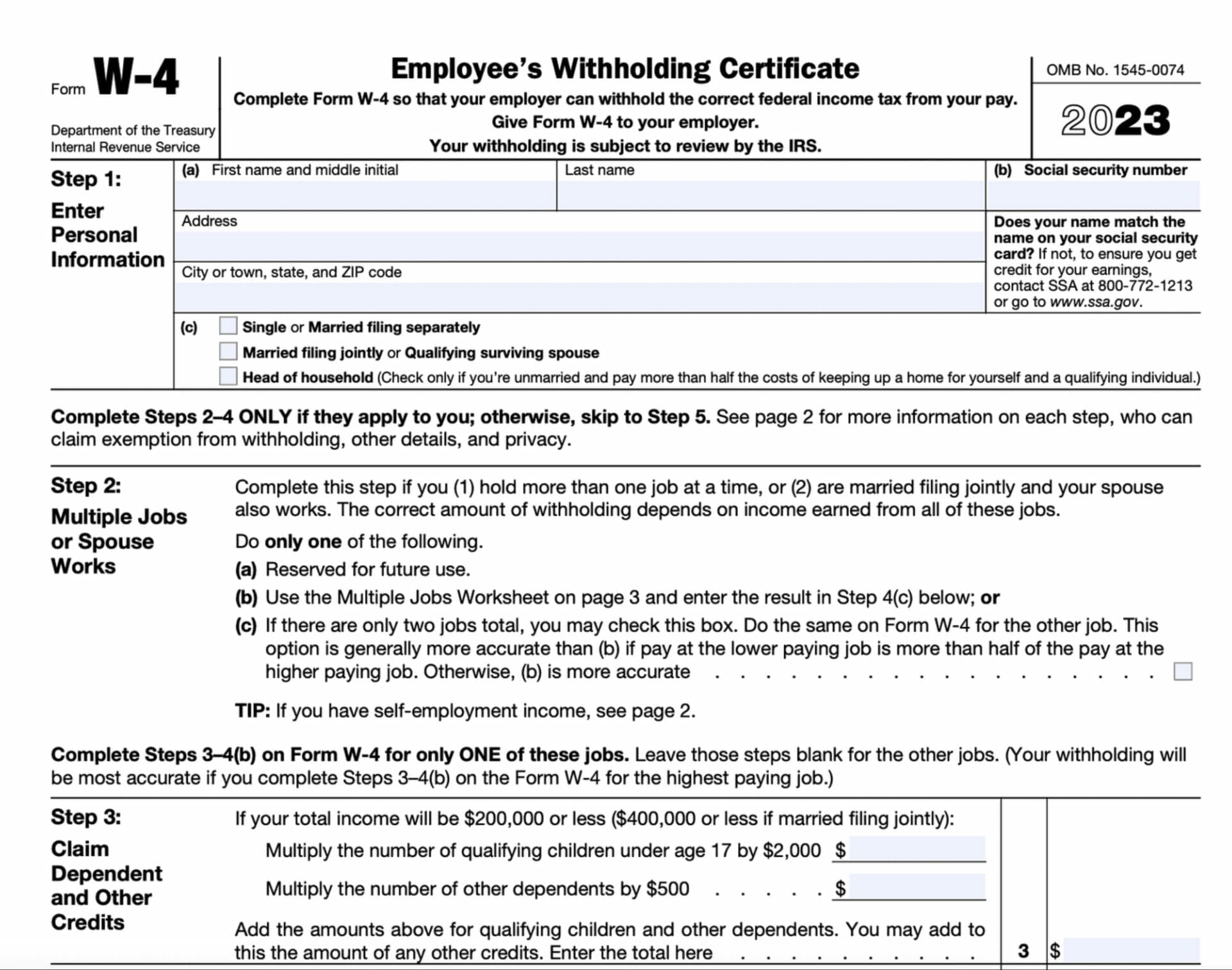
A W-4 Form, also known as the Employee's Withholding Allowance Certificate, is filled out by an employee. It is how the employer knows how much to tax to withhold throughout the year. The amount withheld will be based on the allowances claimed – the more allowances, the lower amount of federal taxes withheld from each paycheck.
The personal allowances worksheet that is provided with a Form W-4 helps employees calculate how many ‘allowances' to claim on the form. CoAd has a Form W-4 assistance calculator to provide to your employees when they're filling out a Form W-4, ensuring they claim the right number of allowances.
Some employees may want to update their withholding allowances throughout the year. The time to do this, other than hire date, would be when there is a life event like marriage, birth of a child, etc.
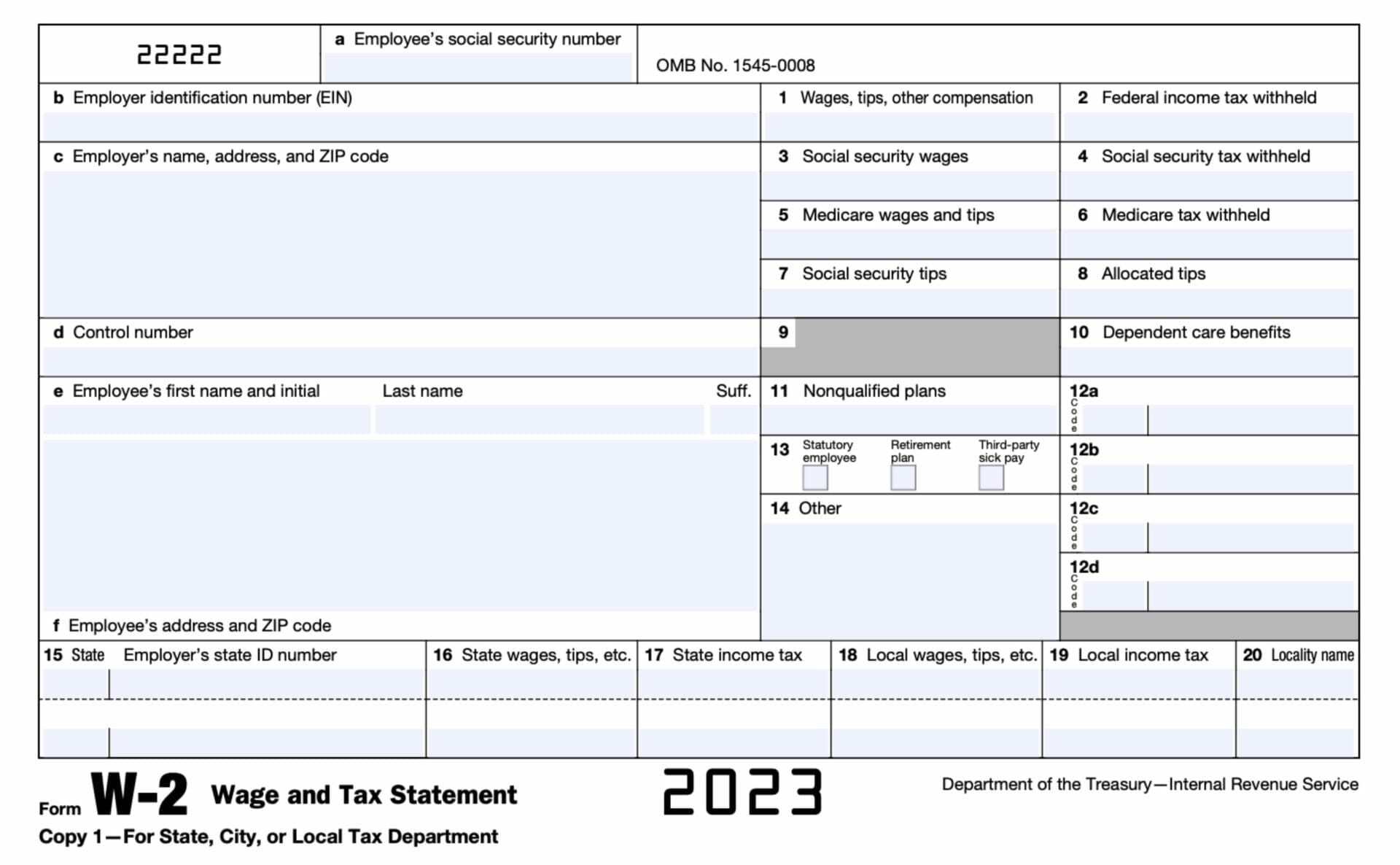
A W-2 Form, Wage and Tax Statement, shows the income and taxes withheld from an employee's pay for the year and is necessary to file your taxes. Employment taxes (like Social Security taxes and Medicare taxes) amount to 15.3% of a worker’s gross wages. Employers pay half of this (7.65%) and withhold the other half from W-2 employee paychecks.
While a W-4 Form instructs employers what to take out while collecting employee personal data, the W-2 Form is a summary of the wages paid and what was withheld throughout the year (thanks to the W-4).
While a W-4 Form is completed by the employee, W-2 Forms are completed by employers. The IRS requires employers to provide employees copies of their W-2 Forms by no later than January 31.
If you're a W-2 employee and do not receive your W-2 Form on time, there are steps you should take to make sure you do not get penalized.
If you have any other individuals (or companies) that are doing work for your business, but they are not a W-2 employee, have them complete a W-9 Form prior to doing work for you. A common example of who will fill this form out for you is an independent contractor or freelancer.
A quick note about Independent Contractors. It's important to pay careful attention to what constitutes an independent contractor versus a full-time employee, especially for a business. Why? Misclassifying an employee as an independent contractor may lead to hefty financial penalties. With penalties that can include:
When deciding if an individual providing services is an employee or independent contractor, it is necessary to evaluate all evidence that demonstrates the level of control and independence. The IRS has guidelines to determine whether the individuals providing services are Employees or Independent Contractors. At a high level, a business must assess the facts of the engagement that provide evidence of the degree of control and independence. This assessment falls into three categories:
A W-9, a Request for Taxpayer Identification Number and Certification, does it exactly what it sounds like. It captures the information of the person, or company, doing work for your business. From here, you can record their wages.
It differs from a W-4 Form in the sense that it does not have any kind of withholding or allowance information. Its main purpose is to gather the information of the payee so you can accurately complete a 1099 Form.
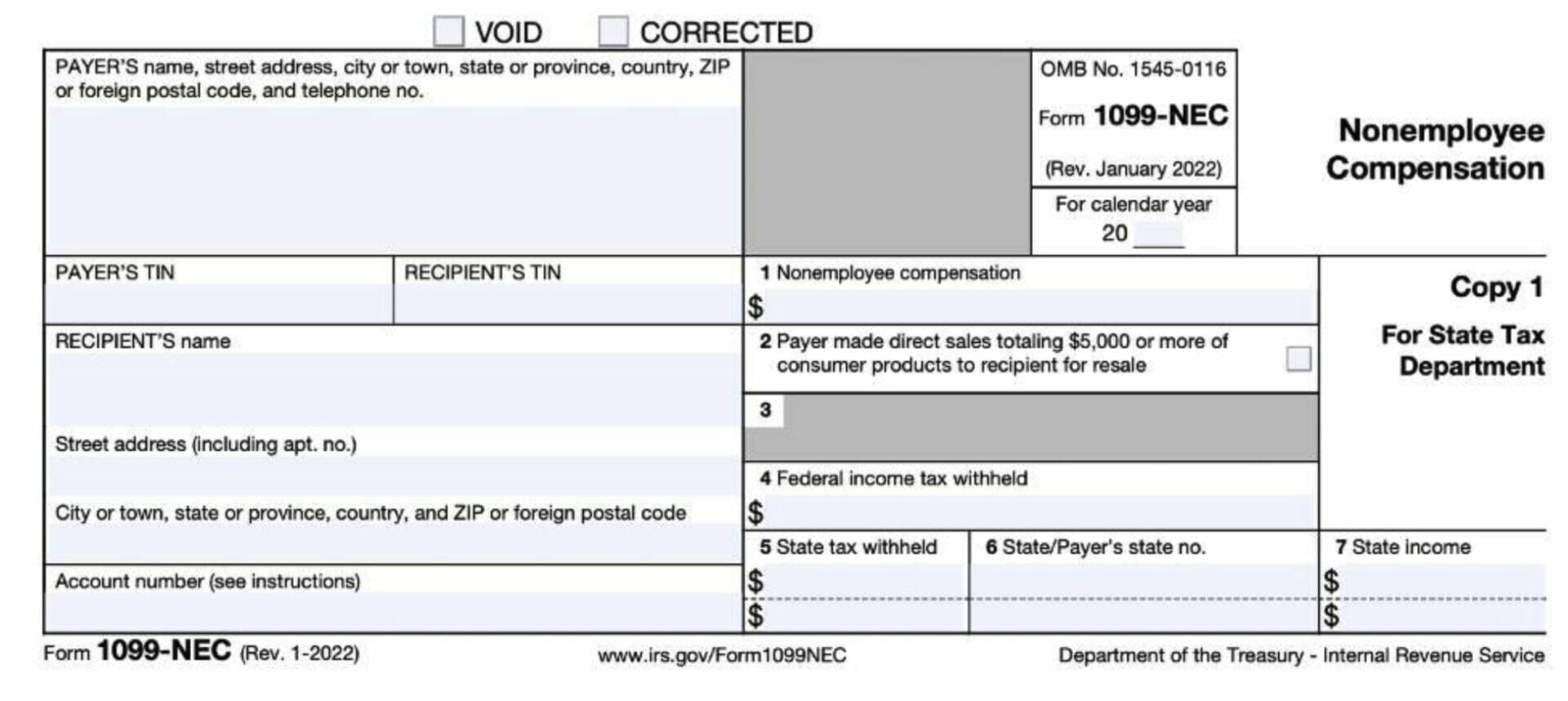
A 1099 Form is to a W-9 Form like a W-2 Form is to a W-4 Form. Except withholdings are not recorded and Employment taxes (like Social Security taxes and Medicare taxes) that amount to 15.3% of a worker’s gross wages, are paid in full by the independent contractor.
Like a W-2 Form, a 1099 Form must be filled out by the employer and provided to the individual or entity by January 31. This form will report what is paid to the individual or entity and their reporting details (like name, address, SSN or TIN), but all of the tax payments are up to the payee of this form.



.jpg)
%201.png)