What if we told you a single pre-tax benefit could attract more talent, increase retention rates, create a better employee experience, and reduce your company’s taxable income?
Enter Dependent Care Assistance Programs (DCAPs). Below we dive into the key features of DCAPs, benefits for employers and employees, and must-know information about compliance.
A DCAP, also called a Dependent Care FSA, allows employees to set aside pre-tax dollars to cover eligible dependent care expenses. These expenses must be necessary to enable the employee (and their spouse, if applicable) to work or actively seek employment.
Qualifying dependents typically include children under 13 and individuals who are physically or mentally incapable of self-care.
DCAPs have three main features:
TIP: Communicate these DCAP features during your open enrollment presentation so employees can make informed decisions about their benefits for the upcoming year.
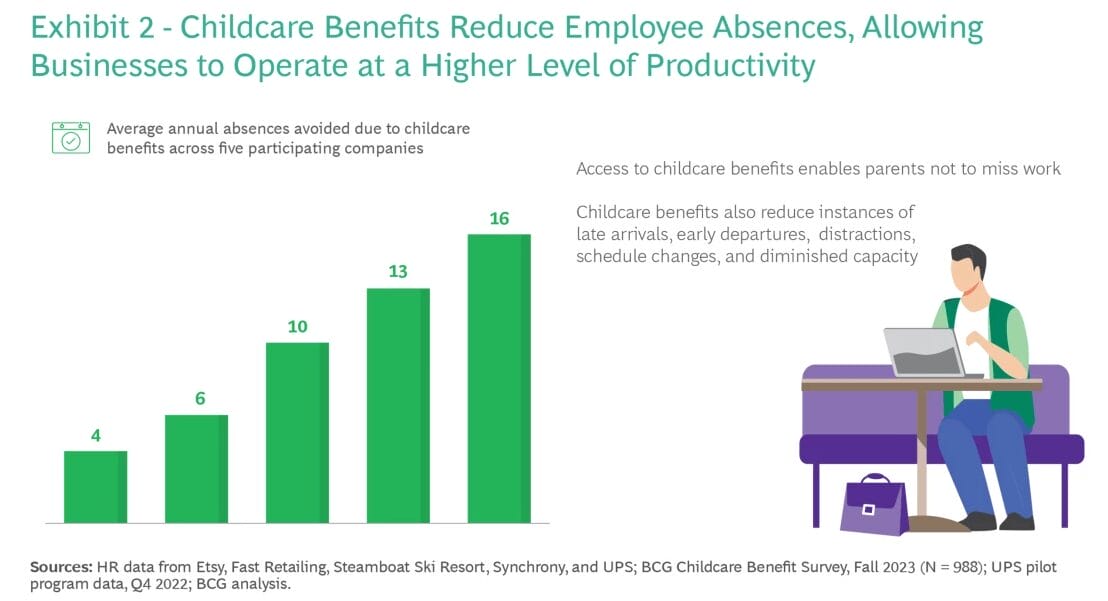
By offering a DCAP, employers not only provide meaningful financial support to their people but also create a more engaged and productive workplace, which benefits employers and employees alike.
While many companies offer pre-tax benefits to employees, very few offer childcare benefits. According to research by BCG, only 12% of all full-time US employees and only 6% of part-time workers have access to childcare benefits through their employer.
Here lies a huge opportunity for organizations to stand out among competitors, especially since childcare costs continue to be a significant concern for employees. Jessica Chang, CEO and co-founder of Upwards, explains: “Employers realize that no longer is child care just a social issue but a business issue. When you have trouble attracting and retaining employees, it affects your bottom line.”
Some specific benefits for employers include:
It’s no secret that childcare is expensive, but did you know that most families spend between 10-20% of their income on childcare? And that’s just for one kid.
Unfortunately, 41% of workers report that their compensation isn’t high enough to cover their childcare costs, leading to increased absenteeism, disengagement, and higher turnover (not to mention resentment towards employers).
The good news is that companies can help offset costs by offering a DCAP so employees can realize:
DCAPs have to comply with the requirements in Internal Revenue Code Section 129 in order to provide tax-free dependent care assistance benefits. Also note that:
Implementing a DCAP can be a valuable addition to your benefits package, but it's essential to be aware of your company’s employee population and administrative capabilities.
DCAPs must undergo annual NDT to ensure they don't disproportionately benefit highly compensated employees (HCEs). For some employers whose employees are predominantly highly compensated or top-heavy, the program might add increased administrative burdens and minimal benefit due to a greater likelihood of NDT failures.
In fact, some of the most common NDT failures relate to DCAPs. Examples of these types of businesses include legal, engineering, and accounting firms as well as medical practices.
The good news is, if a plan discovers a potential failure mid-year, it can adjust employee withholdings to avoid that failure.
However, if a failure is not discovered until after the end-of-year tax, you must adjust employee withholdings or issue amended Forms W-2. Chances are noone will be pleased in this situation: Not only does this scenario create an administrative burden for employers, employees’ gross salary will be adjusted and they can’t utilize the full $5,000 benefit limit.
TIP: Because maintaining compliance with DCAP regulations requires diligent record-keeping and regular plan reviews, employers should be prepared to manage these administrative tasks or consider partnering with a third-party administrator, like a payroll provider.
Offering a DCAP can enhance your benefits package and support employees in managing the high costs of dependent care. However, it's crucial to understand the associated compliance requirements and administrative responsibilities. By carefully implementing and managing a DCAP, you can provide meaningful assis



.jpg)













.png)